The FantasyPros Fantasy Baseball Podcast crew is back, and our latest episode was a shopping list of post-hype buys, rookie value plays, and one very deep closer dart that could help win your fantasy baseball draft.
- Fantasy Baseball Draft Rankings
- Fantasy Baseball Research & Advice
- Fantasy Baseball Average Draft Position (ADP)
- Fantasy Baseball Mock Draft Simulator

Fantasy Baseball Breakouts
Here are 10 fantasy baseball breakouts you should be targeting in 2026 drafts.
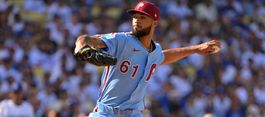
Jason Collette led off with Waldrep, and the pitch mix is the selling point. The splitter is the obvious weapon, and Atlanta nudging him toward throwing it more (and leaning less on a mediocre four-seamer) is the kind of development note that matters in fantasy baseball. Collette also loved that Waldrep can throw a full menu to both righties and lefties, which helps prevent hitters from sitting on one or two looks.
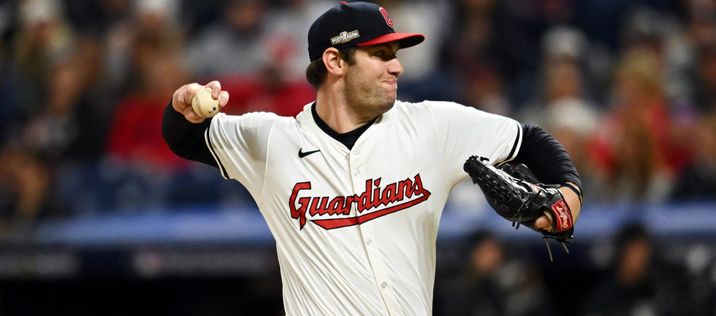
Joe Orrico’s breakout pitcher is a familiar type: good results, room for a step forward. Williams ran a strong ERA but left some efficiency on the table, especially with walks and working deeper into games. Orrico pointed to the second-half trend as the hook, with more starts that looked like the version Cleveland wants developing into a rotation anchor.
If the WHIP improves even a little, you’re suddenly staring at a much more stable fantasy baseball SP2.
Collette and Pisapia sounded like two managers who do not want to be in the same auction room for this one.
The case is simple: the minor-league numbers were loud, the MLB debut was rough, and now you get the classic fantasy baseball “buy the dip” window. Collette also mentioned park/venue changes as a small nudge, but the bigger point was resiliency. Caglianone has already bounced back from adversity once in his development path. They’re betting he does it again and breaks camp with the team.
Orrico framed Crews as a post-hype value that fantasy baseball drafters should be willing to re-invest in. The debut wasn’t what people paid for, but even in limited games you still saw real power-speed output. The batting average and OBP were ugly, sure, but the discussion leaned on process: barrels, incremental batted-ball improvements, and the idea that the market has backed off enough to justify the bet again.
Collette’s argument here was “talent wins out,” even with a crowded rotation. Early’s strikeout minus walk rates across levels jumped off the page for him, and he backed it up by talking about what he saw on video during his big-league starts.
In fantasy baseball terms: if the market is still pricing him like a fringe innings guy, Collette wants to be early to the party before the job becomes official.
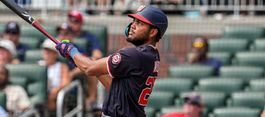
Dominguez came up as a classic “people forgot how young he is” breakout. The Yankees’ quiet offseason was framed as a vote of confidence. Orrico emphasized the power indicators (hard-hit and barrel rates) and the pathway to a useful season even if the playing time isn’t a perfect 150 games.
The takeaway was clear: in fantasy baseball drafts, he’s cheap enough now that you can live with some warts if the 15/25 type season shows up.
Collette’s favorite rookie bat on the list. He pointed to contact ability, walk rates, and a clean approach as reasons Stewart has a higher floor than most young hitters. The Reds clearing some opportunity was part of the optimism too, and Great American Ball Park is always going to get fantasy baseball players dreaming.
He may not be a finished product, but the skills-over-situation angle carried this one.
Orrico’s catcher breakout is a perfect fantasy baseball format play. Jensen showed impact in a small MLB sample, including loud batted-ball data. Orrico’s angle was also about roster construction: with Salvador Perez aging, more DH and first base days could open catching reps, and Jensen doesn’t need to be an MVP to be valuable at a thin position.
In one-catcher leagues, Orrico was comfortable waiting until the very end and taking Jensen as a last-round swing.
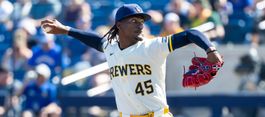
This was the deep cut, and honestly it’s the kind of call that wins leagues. Collette basically said, “someone has to get saves,” and he thinks Sterner has the best raw stuff in that bullpen group. The key stat he leaned on was strikeout minus walk percentage, plus second-half run suppression. In fantasy baseball, that’s often how the next cheap closer pops.
Orrico closed with a pick that screams fantasy baseball value: Okamoto’s ADP lag. The argument wasn’t complicated. Third base is ugly, Okamoto brings proven power, and he’s especially dangerous against left-handed pitching. Orrico also pointed out that the AL East has a lot of lefties, which creates a very friendly environment for his strengths.
If he’s still going outside the top 200, he’s the kind of corner-infield stabilizer that frees you up to chase upside elsewhere.
Fantasy Takeaways
- Luis Robert Jr. in New York is a fantasy baseball upside bet, with steals and health as the swing factors.
- Waldrep’s splitter and deeper pitch mix make him a breakout SP target if the usage sticks.
- Gavin Williams is a WHIP and workload improvement away from leveling up into a draft-day bargain.
- Caglianone is a buy-the-dip bat with real power if he holds an Opening Day role.
- Crews and Dominguez are post-hype outfielders whose ADPs finally make the risk worth it.
- Stewart and Jensen are rookie bats to prioritize in formats where scarcity matters (3B, C).
- Sterner is the late-round saves dart to circle in every fantasy baseball draft room.
Fantasy Baseball Breakouts Draft Cheat Sheet
Use this as a quick reference when you’re building your draft plan. The “ideal range” is less about a perfect ADP and more about where these players make sense as value targets in typical mixed-league formats.
Hitters
- Ideal draft range: Rounds 10-14 (or picks 120-170)
- Why: Classic buy-the-dip breakout bat. Monster minor-league track record and the podcast expects him to break camp with the team.
- Ideal draft range: Rounds 12-16 (or picks 140-200)
- Why: Post-hype discount with power-speed upside. Even a modest batting average jump makes him a big return.
- Ideal draft range: Rounds 13-17 (or picks 160-220)
- Why: Everyday opportunity plus quality batted-ball indicators. A 15/25 season plays at this price.
- Ideal draft range: Rounds 14-18 (or picks 170-250)
- Why: Rookie with a strong floor profile (contact + walks). Great park and a clearer path to reps.
- Ideal draft range: Rounds 18-23 (or picks 230-330)
- Why: Late catcher target with legit pop and playing-time opportunity as Sal Perez ages. Strong in 2C, viable last-round in 1C.
- Ideal draft range: Rounds 16-22 (or picks 200-320)
- Why: Power at a thin position with a price that hasn’t caught up yet. If he’s outside the top 200, it’s a green light.
Pitchers
- Ideal draft range: Rounds 12-16 (or picks 140-210)
- Why: Splitter-driven upside and a deeper pitch mix. A perfect swing for strikeouts without paying ace prices.
- Ideal draft range: Rounds 8-11 (or picks 85-130)
- Why: Skills and organization track record are both strong. If the walks come down, he jumps a tier.
- Ideal draft range: Rounds 15-20 (or picks 190-280)
- Why: Skills-over-situation play. Rotation depth may scare the room, but the pod expects talent to win out.
Closers / Saves Targets
- Ideal draft range: Rounds 20-25 (or picks 260-400)
- Why: Cheap saves dart. If you’re waiting on saves, Sterner is exactly the type of name you stash before the job becomes real.
How to Use This Cheat Sheet
- If you need power at 3B, circle Okamoto and Stewart as values after the early tier dries up.
- If you want post-hype OF upside, target Crews and Dominguez in the mid rounds.
- If you’re punting catcher, grab Jensen late and spend picks earlier on scarce bats and pitching.
- If you’re shopping for upside arms, Waldrep and Early fit as mid-to-late round strikeout swings.
- If you’re waiting on saves, Sterner is the kind of last-closer target that can turn into 20+ saves.