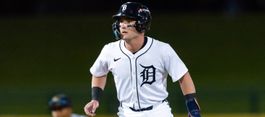
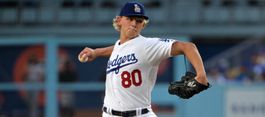
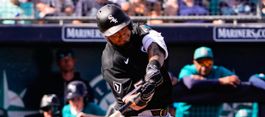
In a recent FantasyPros MLB podcast episode, Joe Pisapia, Joe Orrico, and Chris Welsh built a draft board around one core idea: don’t just chase name value, chase profit. Their best targets for 2026 are players whose current ADP still trails their realistic ceiling, whether that means top-25 upside, mid-round category juice, or late-round lottery-ticket power. Here are a few of their must-have fantasy baseball draft targets for 2026.
- Fantasy Baseball Draft Rankings
- Fantasy Baseball Projections
- Fantasy Baseball Mock Draft Simulator
- 2026 Fantasy Baseball Draft Kit

Fantasy Baseball Must-Have Players
A few themes came through clearly from the episode. The group wants batting average stability without sacrificing speed, they want pitchers who can return ace-like value after injury or market drift, and they are especially interested in young hitters who look ready to make the jump from “interesting” to “league winner.”
If you want one hitter who fits the “boring until he wins you two categories” mold, it’s Maikel Garcia. The case is simple: contact, speed, batting average support, and enough quality of contact to keep the profile from feeling empty. Statcast backed up part of that optimism in 2025, with Garcia posting a 45.1% hard-hit rate and strong bat-to-ball indicators.
That is why he works so well as a draft-day glue guy. He is not the sexiest pick in the room, but he covers roster leaks fast.
Anthony was framed as the next Boston bat capable of making a huge ADP leap by next spring. That tracks. He is one of the most discussed young hitters in baseball, and the upside case is obvious: advanced approach, impact contact, and a park that can reward his left-handed swing. The hosts were betting on the talent catching up to the hype in full this season.
He is a ceiling pick, but not an empty one.
Noelvi Marte (3B – CIN) and Jac Caglianone (1B – KC)
These were two of the better “don’t give up too early” bets from the show. Marte was positioned as a rebound bat with power-speed utility and multi-position appeal. Caglianone was the louder upside swing: elite raw power, huge bat speed, and the belief that last season’s ugly debut should not erase the long-term breakout potential.
That is a good reminder for fantasy managers this time of year. Prospect fatigue creates buying opportunities.
Max Muncy (3B – LAD) and Adolis Garcia (OF – PHI)
This was the late-round profit section of the show. Muncy was sold as a cheap answer at a weak third-base position. Adolis was the forgotten power-speed veteran whose projection still looks useful even if the market has cooled.

What is Fantasy Baseball?
Fantasy baseball is an online game where participants act as managers of virtual baseball teams based on real-life Major League Baseball (MLB) players. The performance of these players in actual games determines the results in the fantasy league. It’s a blend of skill, strategy, and a little bit of luck, akin to the real-world decisions team managers must make.
Basic Strategy for Fantasy Baseball Success
1. Understand Your League’s Format and Scoring
Before drafting your team, it’s essential to understand the scoring system and rules of your specific league, as this will influence your drafting and management strategy. Knowing whether you’re in a points-based, category-based, or head-to-head league will guide you in selecting players whose strengths align with the scoring system.
2. Drafting Your Team Wisely
A solid draft is the foundation of a successful season. Here are a few tips for the drafting phase:
- Balanced Team: Ensure you have a balanced team with a mix of power hitters, average hitters, speedsters, starting pitchers, and relievers.
- Position Scarcity: Be aware of the depth of talent at each position. Some positions, like shortstop, may have fewer high-quality players, making it beneficial to draft a top player at that position early.
- High-Floor Players: Early in the draft, focus on players with a proven track record of consistency.
- Upside Picks: In the later rounds, look for “upside” players. These are athletes who have the potential to outperform their draft position.
3. In-Season Management
- Stay Active: Constantly look for ways to improve your team through waivers, trades, and free-agent pickups.
- Mind the Matchups: Pay attention to player matchups, platoon splits, and ballparks. Starting a pitcher in a hitter-friendly park, for example, can be risky.
- Injury Management: Stay on top of player injuries and have backups ready for your key players.

Subscribe: Apple Podcasts | Spotify | Google Podcasts | SoundCloud | iHeartRadio