When preparing for your fantasy baseball drafts, knowing which players to target and others to avoid is important. The amount of information available can be overwhelming, so a great way to condense the data and determine players to draft and others to leave for your leaguemates is to use our expert consensus fantasy baseball rankings compared to average draft position (ADP). In this way, you can identify players the experts are willing to reach for at ADP and others they are not drafting until much later than average. Let’s dive into a few notable players below.
- 2026 Fantasy Baseball Draft Kit
- Fantasy Baseball Draft Rankings
- Fantasy Baseball Projections
- Fantasy Baseball Mock Draft Simulator

2026 Fantasy Baseball Draft Advice
| RK | PLAYER NAME | TEAM | POS | BEST | WORST | AVG. | STD.DEV | ECR VS. ADP |
| 18 | Cal Raleigh | SEA | C1 | 11 | 33 | 19.6 | 3.7 | -4 |
| 34 | Pete Crow-Armstrong | CHC | OF11 | 23 | 76 | 35.8 | 8.9 | -4 |
| 51 | Brice Turang | MIL | 2B3 | 26 | 80 | 54.8 | 13.3 | -5 |
| 62 | Cody Bellinger | NYY | OF17 | 47 | 89 | 64.1 | 11.2 | -6 |
| 69 | Geraldo Perdomo | ARI | SS10 | 36 | 95 | 71.5 | 12.6 | -5 |
| 75 | Ben Rice | NYY | 1B10 | 47 | 155 | 77.1 | 17.9 | -8 |
| 82 | Hunter Goodman | COL | C4 | 49 | 134 | 81.7 | 17.4 | -6 |
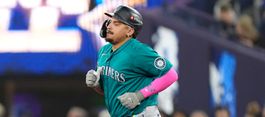
Cal Raleigh had the year of his life in 2025, smacking 60 home runs while batting .247, far and away his best batting average ever. He drove in 125 and scored 110 times for a Seattle Mariners team that came very close to the World Series. Catcher is such a thin position that it is tempting to spend an early-round pick on Raleigh to be able to set-and-forget the position. His 2026 projections again place him among the position’s home run leaders, with playing time security supporting strong counting stats, but we aren’t going to see a repeat of his career year, and that is the current draft cost for the Big Dumper. Do you still want to spend a second-round pick on him if he’s “only” getting you 40 homers with a .230 batting average? If so, he’s easily the best catcher on the board. If not, wait three or four rounds to pick from the second tier.
It’s almost guaranteed that Pete Crow-Armstrong will be front and center in every “Potential Bust” or “Was it legit?” debate heading into 2026 drafts. To be clear, the 23-year-old delivered a monster stat line: 35 home runs, 95 RBIs, 91 runs scored and 35 stolen bases — production that firmly lands in OF1/OF2 territory. Had the season ended at the All-Star break, we’d likely be discussing whether he deserved first-round consideration. The problem is what followed. His second half unraveled, highlighted by an August stretch in which he logged 112 plate appearances but managed just one homer and five RBIs — a frustrating downturn for fantasy managers trying to make a playoff push. The most reasonable expectation for 2026 is something between his scorching first half and difficult second half. Projections peg him closer to a 20 HR, 75 RBI, 75 R, 30 SB profile — still a valuable fantasy contributor at the right draft price. The concern is cost. There will be managers willing to draft him as a budding MVP candidate. It’s wiser to let someone else pay that premium and pivot to safer value elsewhere.

What is Fantasy Baseball?
Fantasy baseball is an online game where participants act as managers of virtual baseball teams based on real-life Major League Baseball (MLB) players. The performance of these players in actual games determines the results in the fantasy league. It’s a blend of skill, strategy, and a little bit of luck, akin to the real-world decisions team managers must make.
Basic Strategy for Fantasy Baseball Success
1. Understand Your League’s Format and Scoring
Before drafting your team, it’s essential to understand the scoring system and rules of your specific league, as this will influence your drafting and management strategy. Knowing whether you’re in a points-based, category-based, or head-to-head league will guide you in selecting players whose strengths align with the scoring system.
2. Drafting Your Team Wisely
A solid draft is the foundation of a successful season. Here are a few tips for the drafting phase:
- Balanced Team: Ensure you have a balanced team with a mix of power hitters, average hitters, speedsters, starting pitchers, and relievers.
- Position Scarcity: Be aware of the depth of talent at each position. Some positions, like shortstop, may have fewer high-quality players, making it beneficial to draft a top player at that position early.
- High-Floor Players: Early in the draft, focus on players with a proven track record of consistency.
- Upside Picks: In the later rounds, look for “upside” players. These are athletes who have the potential to outperform their draft position.
3. In-Season Management
- Stay Active: Constantly look for ways to improve your team through waivers, trades, and free-agent pickups.
- Mind the Matchups: Pay attention to player matchups, platoon splits, and ballparks. Starting a pitcher in a hitter-friendly park, for example, can be risky.
- Injury Management: Stay on top of player injuries and have backups ready for your key players.

Subscribe: Apple Podcasts | Spotify | Google Podcasts | SoundCloud | iHeartRadio