Fantasy baseball bold prediction season is always fun, but this year’s FantasyPros MLB episode had a little more edge to it. Joey P. and the Welsh ran through a wide board of polarizing names, mixing upside calls with real fantasy baseball draft-day warnings. Some players look like league winners if the health or role breaks right. Others feel one bad month away from becoming roster headaches.
- Fantasy Baseball Draft Rankings
- Fantasy Baseball Research & Advice
- Fantasy Baseball Average Draft Position (ADP)
- 2026 Fantasy Baseball Draft Kit

Fantasy Baseball Bold Predictions
Here’s the clean read on the biggest 2026 fantasy baseball takeaways from our fantasy baseball bold predictions show.
The hitters fantasy managers need to decide on early
The core question with Acuna is simple: will he run enough to get back into the overall No. 1 conversation? The power still looks legit, and both hosts sounded encouraged by how strong he looks entering the year. The difference-maker is stolen bases. Nobody is projecting another 70-steal explosion, but if Acuna gets back into the 35 to 45 range while holding his usual power and average, he can return first-round profit in a hurry.
The fantasy case for Alvarez has not changed. When he plays, he is one of the best pure bats in the sport. The issue is availability. Joey’s point was the right one: stop asking for defensive value and just let him hit. If Houston keeps him at DH and protects the bat, Alvarez has a path to elite four-category production again. If the nagging injuries keep piling up, fantasy managers will be left paying premium prices for 130-ish games.
Merrill might be one of the toughest evaluations on the board. The rookie-year breakout was exciting, but last season brought less running, a drop in batting average, and some real questions about how pitchers adjusted. The power growth still matters, but this is no longer a no-doubt breakout profile. At current cost, the concern is paying for the best-case version before Merrill proves he can make the next counter-adjustment.
Perdomo was one of the biggest debate points in the episode. The surface stats say breakout. The underlying profile gives at least some reason to buy it, especially with his contact skills and lineup context. Still, this was a major jump from his previous fantasy output. The takeaway here is not to dismiss him, but to understand you are betting that last year was the start of something real, not a one-year spike.
This is where the room split a bit. The bearish case is built on strikeout rate risk and a batting average floor that looks shakier than the raw results suggest. The bullish case is just as fair: Greene is still young, still growing, and just delivered the kind of power season fantasy players have been waiting for. He might be fragile as an asset, but he is also the kind of hitter who can beat projection systems if the development keeps moving forward.
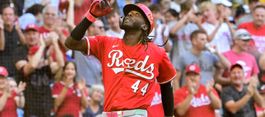
Robert feels like the classic post-hype gamble. New team, better lineup, less pressure to carry an offense, and a contract-year edge all make sense. Nobody is questioning the talent. The real question is whether the environment finally helps him put the tools together for one full season. At the right draft cost, this is exactly the kind of volatile upside bet worth making.
The wild-card bats who could swing leagues
There is not much mystery here. If Simpson plays enough, he can change the stolen base category by himself. The issue is role, lineup spot, and how much the Rays trust him day to day. He is a category specialist with game-breaking speed, and that alone gives him real fantasy juice.
Murakami might be the purest boom-or-bust bat in the hitter group. The late draft price is attractive, and the raw power is obvious. But big league pitching will test the hit tool fast. If he handles premium velocity and spin, he could become one of the better values in fantasy. If not, he could be a short-lived spring helium story.
Both hosts sounded convinced Griffin is the real thing. The power-speed combo is loud, the physical tools jump off the screen, and the upside is obvious. The only real debate is timing. Whether he arrives in April or later in the summer, Griffin has the kind of fantasy ceiling that will make him one of the most watched young hitters in the game.
Stewart’s path is straightforward. The bat has to carry him. If it does, he can matter in fantasy quickly. If it does not, there is not enough defensive flexibility to force everyday at-bats. He is easy to overlook in a crowded rookie field, but he should not be ignored.
The pitchers with the widest draft-day gap between ceiling and risk
If Sale gets to 150 innings, he can return ace-level value. That is the bet. The skills are still there, and the dominance has not disappeared. The challenge is obvious: age, durability, and the need to build pitching depth behind him. He is risky, but the upside still looks worth chasing.
Bradish may be going a little too high for the workload projection. That was one of the sharper points in the episode. If the market is pricing him like a full-season starter while the realistic expectation is closer to 130 innings, fantasy managers are taking on more risk than they may realize.
Snell already carrying health questions into draft season is a bad sign. The talent is not in doubt. The problem is paying for a profile that almost always comes with volatility in innings, health, and early-season rhythm. There is a discount where he becomes appealing. Current cost may not be it.
Strider is one of the biggest swing players in drafts. If the velocity is back, fantasy managers will feel great. If it is not, the price will sting. The upside is still huge, though, and that makes him more appealing than some of the safer but lower-ceiling names in the same general range.
Gore moving into a better organization and a stronger environment is a big deal. The stuff has never been the issue. The second-half fade has been. If the Rangers help him hold velocity, sharpen the attack plan, and manage the workload better, he has breakout potential written all over him.
This is the classic late-round upside versus deep-league roster stress debate. In shallower formats, the gamble is easier to justify. In deeper leagues, every missed start hurts more. The ceiling is obvious. The uncertainty is just as obvious.
Fantasy Baseball Takeaways
- Ronald Acuna Jr. becomes a true top-tier fantasy asset again if the steals rebound.
- Yordan Alvarez remains an elite bat, but fantasy managers need Houston to protect his health.
- Jackson Merrill is talented, but his draft cost may already assume a bounce-back.
- Luis Robert Jr. looks like one of the better upside bets if the price stays reasonable.
- Chandler Simpson can win stolen bases almost by himself if the playing time is there.
- Chris Sale and Spencer Strider both offer ace upside, but roster construction matters.
- Kyle Bradish and Blake Snell carry more workload risk than their draft prices suggest.
- MacKenzie Gore is one of the more interesting breakout arms in a new environment.
- Konnor Griffin is the rookie bat with the kind of ceiling that can change leagues.
- Shane McClanahan is easier to buy in shallow leagues than in formats where replacement value is thin.

Subscribe: YouTube | Spotify | Apple Podcasts | iHeart | Castbox | Amazon Music | Podcast Addict | SoundCloud | TuneIn