For beginners, understanding how fantasy football rosters work is one of the most important steps toward building a competitive team. This guide covers fantasy football roster positions, common drafting mistakes, and how to manage your team once the season begins.

Beginner’s Guide to Understanding Fantasy Football Rosters
Fantasy Football Roster Positions
Each fantasy roster mirrors the structure of a real NFL team, with offensive skill positions, special teams, and — in some leagues — individual defensive players. Understanding what each position contributes will sharpen your decisions on draft day and throughout the season.
Offensive Positions
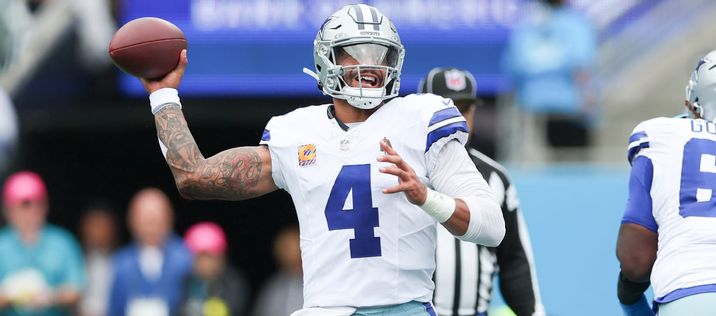
Quarterback (QB) The quarterback directs the offense and scores fantasy points primarily through passing yards and touchdowns. In standard single-QB leagues, the position carries less relative value than it does in real football. Two-quarterback and superflex leagues change that equation significantly, elevating QBs to a top draft priority and more closely reflecting the position’s real-world importance.
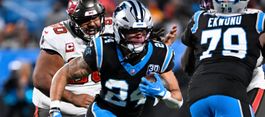
Running Back (RB) Running backs earn points through rushing yards, receptions, receiving yards, and touchdowns. Their scarcity and workload potential make them among the most coveted players on the draft board. Starting-caliber RBs go fast, so understanding when to prioritize the position is a key part of any draft strategy.
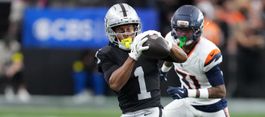
Wide Receiver (WR) Wide receivers are the primary passing targets in most NFL offenses and score points through receptions, receiving yards, and touchdowns. The position can be volatile week to week, but the ceiling is high. Historically, WRs carry a lower injury risk than RBs, which makes them a preferred long-term investment in keeper and dynasty leagues where roster continuity matters across multiple seasons.
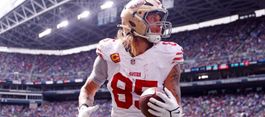
Tight End (TE) Tight ends play a dual role as receivers and blockers. They score through receptions, receiving yards, and touchdowns, though most are targeted less frequently than wide receivers. The position has a steep drop-off after the top tier, meaning elite TEs carry outsized value in fantasy leagues that reward receiving production at the position — particularly in TE premium formats.
Special Teams and Defense
Kicker (K) Kickers score through extra points and field goals. They provide a relatively consistent floor, but their ceiling is lower than that of skill positions, and their week-to-week output is harder to forecast. Kickers are typically drafted in the final rounds.
Team Defense/Special Teams (D/ST) Most leagues have managers draft a full team defense rather than individual defensive players. Points come from sacks, interceptions, forced fumbles, defensive touchdowns, and special teams plays like kick and punt return scores. Matchup-based streaming — picking up favorable defenses each week — is a common and effective strategy.
Individual Defensive Players (IDP)
IDP leagues replace team defenses with individual defensive players, adding a new layer of strategy and roster depth. The three primary IDP positions are Defensive Linemen (DL), Linebackers (LB), and Defensive Backs (DB).
Defensive Linemen (DL) The DL group includes defensive ends (DE) and defensive tackles (DT), whose primary roles are stopping the run and pressuring the quarterback. In IDP formats, they score through tackles, sacks, forced fumbles, and fumble recoveries. Elite pass rushers with high sack totals are especially valuable.
Linebackers (LB) Both inside (ILB) and outside (OLB) linebackers are typically the highest-scoring IDP position due to their high tackle volume and ability to make plays across the field. They earn points through tackles, sacks, interceptions, and forced fumbles, making them a first-round priority in most IDP drafts.
Defensive Backs (DB), Cornerbacks (CB), and Safeties (S) defend the passing game and score through tackles, interceptions, forced fumbles, and passes defended. Their scoring tends to be less consistent than linebackers’, but elite DBs who generate turnovers regularly can be reliable starters in IDP leagues.
Scoring settings vary significantly across IDP leagues, so reviewing how your league values tackles, sacks, and turnovers before the draft is essential to ranking players accurately and targeting the right positions.
Common Beginner Mistakes When Building a Fantasy Football Roster
Skipping draft preparation
Going into a draft without reviewing rankings, projections, and positional values puts you at a significant disadvantage. Preparation helps you avoid reaching for players too early and spot undervalued picks in the later rounds.
Ignoring your league’s scoring settings
Scoring formats — PPR, half-PPR, standard, TE premium — meaningfully change which players are worth drafting and when. A player who excels in one format may be average in another. Always tailor your rankings to your specific league’s rules.
Reacting to positional runs
When several managers draft from the same position back-to-back, the instinct to follow along can lead to poor value picks. Sticking to your board and taking the best available player is almost always the better move.
Overloading on one team’s players
Rostering too many players from the same NFL team concentrates your risk. A tough stretch of games, an injury to a key skill player, or a coaching change can damage multiple roster spots at once. Diversification is a simple but important form of roster protection.
Neglecting depth and positional balance
Drafting heavily at one position while ignoring others leads to vulnerability when injuries and bye weeks hit. A balanced roster with real depth at running back and wide receiver gives you options every week.
Relying only on past performance
Prior stats are a useful starting point, but they don’t tell the full story. Age, injury history, target share changes, and new team situations all affect a player’s outlook. Evaluate where players are headed, not just where they’ve been.
Ignoring bye week conflicts
Drafting multiple starters at the same position who share a bye week can leave you without enough healthy players to set a full lineup. Track bye weeks during the draft and build in enough depth to cover them.
Going dormant after the draft
The draft is the starting point, not the finish line. Staying active on the waiver wire and exploring trades throughout the season is how rosters improve and weaknesses get addressed.
Drafting Your Fantasy Football Roster
Research player rankings
Review rankings from multiple sources before drafting, factoring in injuries, depth-chart changes, team situations, and projected roles. Rankings give you a baseline — understanding the reasoning behind them gives you an edge.
Set a draft strategy
Know which positions you plan to target in each round and which players you want to prioritize. A pre-draft plan keeps you decisive under time pressure and reduces the chance of reaching for a name you recognize.
Run mock drafts
Mock drafts are one of the best ways to prepare. Running several simulations across different draft positions helps you anticipate how boards typically fall and stress-test your strategy before it counts. FantasyPros’ free draft simulator and most league-hosting platforms offer this feature.
Track the board in real time
Pay attention to which players are coming off the board and which positions your leaguemates are targeting. Adjusting your strategy based on real-time draft flow — not just pre-draft rankings — is what separates prepared managers from reactive ones.
Build real bench depth
Starters win you weeks, but depth keeps your season alive. Target high-upside backups at running back and wide receiver, and make sure your bench can absorb the inevitable injuries and bye-week gaps.
Plan around bye weeks
Track each player’s bye week during the draft so you don’t end up short-handed at a critical position in the same week. A small amount of foresight here can save a lot of scrambling mid-season.
Stay adaptable
Draft boards rarely go as planned. Being willing to shift your approach based on what’s available — rather than forcing a predetermined script — leads to better overall value across your roster.
In-Season Fantasy Football Roster Management
Follow player news closely
Injuries, snap count changes, suspensions, and depth chart shifts all affect start/sit decisions. Staying current on player news throughout the week puts you in a position to act before other managers do.
Work the waiver wire
The waiver wire is one of the most reliable ways to improve your roster after the draft. Use FantasyPros’ waiver wire assistant to identify undervalued pickups, review optimal lineup suggestions, and find trade targets based on league-wide trends.
Study the matchups
Favorable matchups matter. A wide receiver facing a weak secondary or a running back playing against a poor run defense becomes a stronger start that week. Reviewing matchup data each week is a quick way to gain a consistent edge.
Be open to trading
Trades are a tool for addressing roster imbalances. Look for deals that address a position of need by offering depth somewhere you’re stacked. The best trades create value for both sides — approaching negotiations that way leads to more agreements.
Manage bye weeks proactively
Know your players’ bye weeks in advance and pick up temporary replacements before the waiver priority resets. Getting ahead of bye week shortfalls is far easier than scrambling for options the week they arrive.
Avoid overreacting to single-week results
One bad game rarely defines a player’s season value. Context matters — a tough matchup, a game-script issue, or a fluke can all suppress a normally reliable player’s output. Evaluate the trend before making a move.
Keep improving your roster
The best fantasy managers treat roster construction as an ongoing process. Dropping underperformers, identifying emerging players, and fine-tuning your lineup week by week is how good teams become great ones.
Subscribe: YouTube | Spotify | Apple Podcasts | iHeart | Castbox | Amazon Music | Podcast Addict | TuneIn