Shortstop is still the cheat-code position in fantasy baseball. You can grab a true five-category monster early, or you can play the depth game and still come away with a starter you don’t hate. This FantasyPros shortstop pod with Joey P, Joe Orrico, and Frank Stampfl covers the position, from how to handle the Francisco Lindor hamate news, where the real values sit, and which “breakouts” are the ones you should actually fade.

Fantasy Baseball Draft Guide: Shortstops
Below is a fantasy baseball draft-room guide built from their conversation, with practical roster-building angles for 12-teamers and deeper formats.
Francisco Lindor (NYM) and the hamate dilemma
It’s officially “hamate bone season,” and Lindor is one of the headline names. Reports around Mets camp have pegged a roughly six-week recovery window after surgery, with optimism he can be ready around Opening Day.
In fantasy terms, the debate is less “do I draft him?” and more “how much pain am I willing to eat in April?”
Orrico and Stampfl both landed in a similar zone: third-round-ish in 12-team leagues, closer to the mid-30s to around pick 40 overall. That’s not a death sentence. It’s acknowledging two things at once:
- Lindor is historically steady across categories when right.
- He also tends to start slow, and a hand injury is the last thing you want layered on top of that.
If you draft Lindor, build in a short-term plan. In weekly leagues, you want a playable middle-infield fallback. In daily leagues, you can grind matchups. Either way, you’re trying to survive April so you can enjoy the usual May-through-September machine.
Geraldo Perdomo (ARI) as a “career-year tax” trap
Perdomo is the pod’s most important caution flag, because he represents a common fantasy mistake: paying full retail for the breakout after the room already adjusted.
Stampfl’s concern wasn’t that Perdomo is bad. It’s that last season required everything to go right: huge volume of plate appearances, peak results, and a power spike that doesn’t scream “bankable” when you look at the profile. If you’re drafting him in the 60s, you’re drafting him like last year is the new baseline. That’s a tough bet.
The actionable move is simple: don’t get stubborn. If you’re in that range and the room is pushing Perdomo up, you can often pivot to a more proven bat at a similar position cost.
Zach Neto (LAA) is the “I’ll pay for it” breakout
Neto is the opposite case. Orrico basically made the argument you want to hear when you’re buying a rising ADP: the skills growth looks real.
The power indicators jumped (barrels, hard-hit), and the speed is already in the bag. Even with missed time, Neto produced like a foundational fantasy piece. The ceiling case is loud: a healthy season where he threatens a 30/30 type outcome. That’s the kind of profile that justifies a third-round price tag, especially if you’re trying to lock down steals without punting power.
If you’re choosing between Lindor (injury discount, reliable five-category history) and Neto (prime-age surge, category juice), the pod leaned Neto. The way to make that choice in your draft is to check your roster build:
- If you started with a safe hitter foundation and want upside, Neto fits.
- If your first two picks already skew volatile, Lindor’s “when healthy” steadiness can stabilize the build (at a cheaper cost than usual).
Elly De La Cruz (CIN) vs. Gunnar Henderson (BAL) at the turn
This is the fun debate because both answers can be correct depending on format.
Orrico leaned Gunnar because the skill set feels easier to project: strong power, everyday volume, and legitimate speed upside if the steals consolidate in the same season as the power. If you want the cleaner forecast, Gunnar is the “less sweat” click.
Stampfl leaned Elly, especially in category leagues, pointing to the tale-of-two-seasons split and context for the second-half fade. Even if you don’t buy a return to 60+ steals, a 40-50 steal season with 25-30 homers puts you in rare air. The key is that Elly’s value is speed-driven, so your roster build changes immediately after you draft him.
The pod also featured the best “bust” framing you’ll hear for a superstar: Elly probably won’t crater. The risk is that he returns second- or third-round value while you paid a top-10 overall pick. That’s not a disaster, but it can be the difference between winning your league and finishing third.
Mookie Betts (LAD) bounce-back case at a discount
Betts at a fourth- or fifth-round price is a classic “I can live with this” pick. Stampfl cited last year’s pre-season illness and in-season toe issue, plus a strong finish, as reasons to expect better production.
The draft-day interpretation: you’re not drafting MVP Betts. You’re drafting a high-floor hitter in the best lineup environment imaginable, with counting stats that can carry you even if the steals are only modest.
Orrico’s angle is the one that matters in competitive rooms: Betts is fine at cost, but not a must. If he slips a round, you pounce. If he doesn’t, you can take pitching or chase a different bat profile.
Willy Adames (SF) as the “fine, I missed the elite tier” fallback
Adames is the boring-but-useful safety net. The batting average can be a headache, and the production can come in streaks, but the end-of-year counting stats usually look like you got what you paid for.
In deeper leagues, that’s valuable. In 12-teamers, he’s more appealing as a middle infield or UTIL type if you’re not forced to rely on him as your only shortstop.
Also worth noting: the pod specifically highlighted the “new city, big contract” adjustment factor, and the idea that Year 2 could look steadier than the roller-coaster stretches of Year 1.
Trevor Story (BOS) is the “don’t chase last year” bust call
Story is the cleanest bust candidate from the second tier. Not because he can’t produce, but because you’re paying a top-100-ish cost for a profile that still carries real injury risk and plate-discipline concerns.
At a deep position, you don’t have to take that risk. If you want power/speed in that area of the draft, there are other ways to get it without betting on health repeating.
JJ Wetherholt (STL) is the rookie sleeper to know
If you want a shortstop-eligible rookie who can actually help in standard formats, Wetherholt is the name. He’s being discussed as a real 2026 Opening Day candidate, and the underlying calling card is what fantasy managers love: plate discipline plus power/speed capability.
Rookie risk still applies, but if you’re drafting for upside in the middle-to-late rounds, this is exactly the type of skill foundation that can pop quickly. In leagues with MI spots or deep benches, Wetherholt is the kind of pick that can change your roster by May.
Xander Bogaerts (SD) as the late “I still trust the skills” value
Orrico called Bogaerts a sleeper mostly because the price is starting to get silly. If he’s falling outside the top 200 in some formats, you’re no longer buying a star. You’re buying a playable MI with BA help, some speed, and everyday volume. That’s useful roster glue.
You’re not chasing peak Bogaerts. You’re taking a stable skill set at a cost where stability actually matters.
Corey Seager (TEX) and Bo Bichette (TOR) as the “must-have” targets
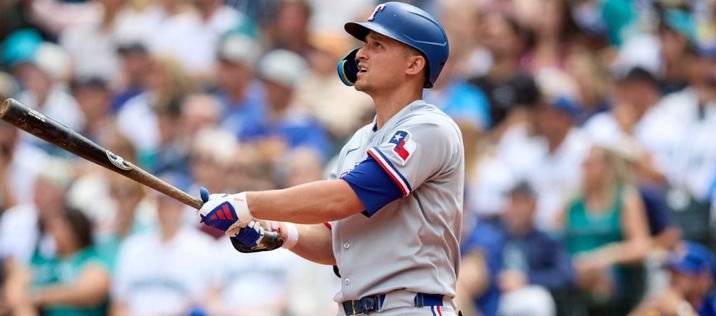
Stampfl’s must-have was Seager: elite hitter, elite batted-ball quality, and the type of batting average/power combo that’s harder to find than steals. The injury risk is real, but the upside per plate appearance is as good as it gets at the position.
Orrico’s must-have was Bichette at cost. The argument is basically “why is he still priced like last year?” If you’re getting an anchor batting average profile around pick 100, you’re buying something that helps every build, not just one strategy.
Fantasy Baseball Takeaways
- Drafting Francisco Lindor in 2026 is a price/plan decision, not a talent decision. Build an April bridge because hamate recovery can be messy.
- Zach Neto is one of the few “riser” profiles that looks skills-backed, not hype-backed.
- Geraldo Perdomo is a classic career-year tax trap if he’s going in the 60s.
- Elly De La Cruz vs Gunnar Henderson depends on format: Elly for category ceiling, Gunnar for easier projection.
- Mookie Betts is fine at cost, and great if he slips.
- Trevor Story is an avoid-at-ADP bust call because you don’t need to chase risk at this position.
- JJ Wetherholt is the rookie sleeper to stash if your league rewards upside and you have bench room.
- If you miss the elite shortstops, Willy Adames is a usable fallback, and Xander Bogaerts is the late stabilizer.

Subscribe: Apple Podcasts | Spotify | Google Podcasts | SoundCloud | iHeartRadio