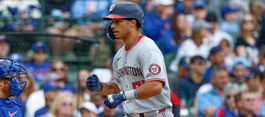
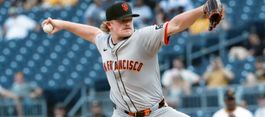
First base is in a better place than it’s been in a while, and that’s the real takeaway from FantasyPros’ “Ultimate First Base Guide.” You can draft the position early if you want a bankable anchor. You can also wait and still land a starter you feel good about. The hosts kept coming back to the same idea: first base doesn’t demand a rigid plan the way some thinner positions do. There are enough workable paths that you can let the draft come to you.
That said, tiers still matter. The name at 1B12 is not playing the same game as the name at 1B1, and if you treat the pool like it’s all one blob, you can talk yourself into a lineup you don’t actually like. Let’s dive into our fantasy baseball draft guide for first base, including sleepers, rankings, tiers, busts, and more.
- Fantasy Baseball Draft Rankings
- Fantasy Baseball Research & Advice
- Fantasy Baseball Average Draft Position (ADP)
- Fantasy Baseball Mock Draft Simulator

Fantasy Baseball Draft Guide: First Basemen
The No. 1 Spot: Nick Kurtz vs. Vladimir Guerrero Jr.
Nick Kurtz (1B – OAK) and Vladimir Guerrero Jr. (1B – TOR) sit at the top of the position in expert consensus, and they’re getting drafted like it.
Kurtz brings the nuclear upside. In 420 at-bats last season, he popped 36 homers while hitting .290 with a cartoonish Savant page. It’s easy to squint and see a player who could hit .280 with 45 to 50 homers if everything clicks.
The reason for hesitation is also clear. The strikeouts were loud (over 30%), and his expected batting average lagged far behind the surface number. There are also platoon questions, especially versus lefties. If you’re paying first-round freight, those are the kinds of warning signs that can sink a build if they swing the wrong way.
Guerrero is the opposite archetype. The power may not always hit the absolute ceiling people want, but he offers a steady category foundation with elite durability. The hosts framed him as the safer bet to give you volume, average, and top-shelf counting stats without forcing you to live dangerously.
Where the episode landed
If you want ceiling and you’re comfortable paying for it, Kurtz can be your swing. If you want stability and a high floor, Guerrero is the cleaner pick. The important part is acknowledging what you’re buying. Kurtz isn’t a “set it and forget it” profile at his current cost.
The Pete Alonso Pivot in the Elite Tier
Pete Alonso (1B – BAL) was the pressure point in the discussion. Joe Rico flat-out preferred Alonso to Kurtz at price, and even suggested the real debate is Guerrero vs. Alonso more than Guerrero vs. Kurtz.
The logic is simple: year after year, Alonso gives you the home runs and RBI you’re drafting a first baseman to secure. He’s the type of player who makes a roster construction feel easy because the power categories stop being a weekly stressor.
If Kurtz costs you a first-round pick and Alonso can be had later, that gap matters. It’s not a knock on Kurtz’s talent. It’s a reminder that winning drafts is about value, not vibes.
The “Boring” Draft Values
This is where the episode really got useful. The hosts highlighted several veterans who are sliding because fantasy drafters are chasing the new shiny thing.
Matt Olson (1B – ATL) got the “not enough love” treatment. He plays every day, he’s still a legitimate 30-homer bat, and if the Braves offense rebounds around him, the runs and RBI can spike right back into elite territory. Even if he doesn’t repeat his peak season, the cost has drifted into a range where his stability becomes an advantage.
Rafael Devers (1B – SF) was framed as one of the best prices on the board. The underlying quality of contact remained strong, and the new lineup context in San Francisco sets him up for big RBI chances. Some drafters worry about the ballpark, but the counter was straightforward: Devers is the type of hitter who can overcome it, and the market discount is too juicy to ignore.
Freddie Freeman (1B – LAD) is a classic “not a bust at cost” guy. The steals are likely fading, and age is the elephant in the room. But in that Dodgers lineup, he can still get you a strong average with plenty of runs and RBI. The hosts didn’t paint him as a must-target, but they did push back on the idea that he’s suddenly untrustworthy.
Fantasy Baseball Rankings & Tiers
The show’s tier conversation is the best way to approach this position. You don’t need to panic early, but you do want to know where the player pool changes flavor.
Tier 1: The elite anchors
- Vladimir Guerrero Jr. (1B – TOR)
- Pete Alonso (1B – BAL)
- Nick Kurtz (1B – OAK)
Tier 2: The strong starters with round-to-round value swings
- Bryce Harper (1B – PHI)
- Matt Olson (1B – ATL)
- Rafael Devers (1B – SF)
- Freddie Freeman (1B – LAD)
- Vinnie Pasquantino (1B – KC)
Tier 3: The solid-but-context dependent group
- Josh Naylor (1B – SEA)
- Tyler Soderstrom (1B – OAK)
Tier 4: The upside/role-based plays
- Ben Rice (C/1B – NYY)
- Michael Busch (1B – CHC)
You can tweak names within tiers, but the broader message is that there’s a meaningful drop once you’re into the “role and roster construction” types. First base is workable late, but it stops feeling comfortable if you wait too long.
The Deeper Pool: Corner Infield Targets and Format Plays
Once the conversation moved into ranks 13-24, the hosts basically treated this as the “corner infield store.” In deeper leagues, you can absolutely start some of these names at first. In shallower formats, this is often where you fill CI or grab a bench bat with specific category juice.
The Murakami problem
Munetaka Murakami (3B/1B – CWS) is the kind of player who makes sense in theory and drives you insane in practice. The projections love the home run totals, but the batting average risk is enormous, and the strikeout rates in the modeling are scary. The podcast framed him as a format and roster-construction pick more than a default target. If you’re already strong in average, you can justify it. If not, he can create a hole you spend months trying to patch.
Deep Targets
Alec Burleson (1B/OF – STL) got a real endorsement as a guy who won’t hurt you. Better average, improved plate skills, and useful eligibility make him a clean plug-in option.
Andrew Vaughn (1B – MIL) was one of the most interesting late-round stories. He looked cooked with the White Sox, then found life after landing in Milwaukee. Better quality of contact, more damage, and a lineup that can feed him RBI chances. If you’re drafting in 15-team formats, Vaughn is exactly the kind of “cheap corner bat with real upside” you want.
Sleepers, Busts, and Must-Haves
This segment was the pure draft-season candy: actionable names, clear reasoning, and strong opinions.
Fantasy Baseball Sleepers
Willson Contreras (1B – BOS) was Joe’s sleeper because the market still treats him like he’s “just a catcher who moved,” which can create a discount. If he’s hitting in the heart of a Boston lineup in Fenway, there’s a real path to a strong power-and-counting-stat season even without catcher eligibility carrying his value.
Welsh’s sleeper was Jac Caglianone (1B – KC), a deeper swing based on bad luck and loud underlying power traits. The batting average was ugly, but the barrel rate and bat speed signals were enough to buy a bounce-back at a cheap price.
Bust Candidates to Avoid
Joe went with Bryce Harper (1B – PHI), not because Harper is bad, but because the production may not match the cost anymore. Fewer elite spikes in runs and RBI, aging curve questions, and steals that may continue to fade. He’s a “good player at an uncomfortable price” bust call.
Welsh called Josh Naylor (1B – SEA) as his bust, largely because the stolen base component is doing a lot of the ranking work and may not be repeatable. Add in the tougher hitting environment, and the argument is that you’re paying for a version of Naylor that might not show up again.
Must-Have Draft Targets
Joe’s must-have was Tyler Soderstrom (1B – OAK). He pushed back on the idea that Soderstrom “fell off” after a hot April, pointing out that the second half was actually strong in overall offensive quality. Add dual eligibility and ballpark context, and he’s a target at cost.
Welsh’s must-have was Ben Rice (C/1B – NYY), with the big point being that Rice doesn’t need catcher eligibility to matter. The batted-ball profile is legit, and there’s a world where he produces like a high-end first baseman while still giving you flexibility depending on format.
Draft Strategy: How to Actually Use This
The cleanest approach is tier-based, not round-based.
- If you draft one of the elite three, you’ve bought yourself stability. You can stop thinking about first base and spend picks elsewhere.
- If you miss them, the Tier 2 cluster is where most leagues will be won. That’s where the “discount stars” live.
- If you wait beyond that, treat the position as a category puzzle. You’re not just drafting a name. You’re drafting a shape: batting average help, power-only, or volatility.
Also, don’t be afraid to use first base for your corner infield spot. The show repeatedly hinted that other infield positions thin out faster, and first base depth makes it a logical place to double-dip if the values fall.
Fantasy Baseball Takeaways
- Kurtz vs. Vlad is ceiling vs. floor. Kurtz has monster upside, but the strikeouts and xBA gap are real risk at first-round cost.
- Alonso is the elite pivot. If you don’t want to pay the Kurtz premium, Alonso can deliver comparable category impact at a friendlier price.
- Olson and Devers are prime value targets. Both offer bankable power with strong counting stat paths, and drafters may be overthinking them.
- Freeman isn’t a must-draft, but he’s not a trap either. The cost has already baked in age concerns, and the Dodgers lineup can keep his runs/RBI strong.
- Murakami is roster-dependent. The power is enticing, but the batting average downside can wreck roto builds unless you plan for it.
- Late-round targets with upside: Vaughn in Milwaukee, Burleson for stability and eligibility, and Soderstrom as a category helper with momentum.
- Bust calls were about price, not talent. Harper and Naylor can be good MLB hitters and still disappoint fantasy managers if drafted too aggressively.

Subscribe: YouTube | Spotify | Apple Podcasts | iHeart | Castbox | Amazon Music | Podcast Addict | SoundCloud | TuneIn