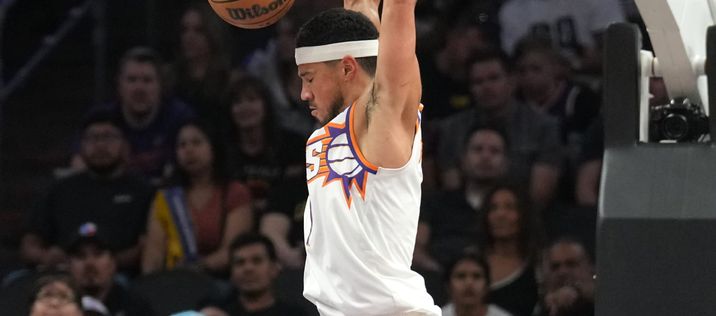
Picture this: You’re in the third round of your fantasy basketball draft, and that player who lit up the stat sheet and had a career year last season is still available. You draft him, and immediately have visions of becoming the league champion — only to watch his production tank due to a new team role, sinking your season by December.
One bad pick can haunt you for months, but a smart draft can propel you to glory. In fantasy basketball, the draft is where champions are made, and avoiding common pitfalls while leveraging strategic insights gives you a massive edge.
This article covers key draft traps and how to sidestep them, offers essential draft preparation tips and provides a deep dive into Yahoo’s new High Score format, including tailored strategies to dominate it. Get ready to draft like a pro and turn your roster into a powerhouse.
- NBA News
- NBA Projections
- NBA Player Futures
- Subscribe to our Fast Break Bets Podcast for Daily NBA & WNBA Bets
Check out the latest fantasy basketball expert consensus rankings

Essential Fantasy Basketball Draft Tips for Success
To build a championship-caliber fantasy basketball team, you need a game plan before you even enter the draft room. The right preparation, strategy and mindset can set you apart from the competition, ensuring your roster is ready to dominate. These essential tips will give you a rock-solid foundation for drafting wisely, no matter your league’s format, and keep you ahead all season long.

Preparation Essentials
Remember, homework and studying always prepare you for those final exams. In fantasy basketball, mock drafts are your homework for draft day, so run multiple simulations using a mock draft simulator.
The simulator allows you to test different strategies and get a feel for player availability, helping you anticipate where stars and sleepers might fall, so you’re not caught off guard. To ensure accuracy, adjust your mock draft settings to match your league’s specifics: Roster positions, scoring type, draft type and number of teams. This tailored setup mirrors your actual draft, making your practice as effective as possible.
Next, create a tiered cheat sheet, grouping players by position and value (e.g., elite guards, mid-round bigs, late-round upside picks). Tiers keep you organized and prevent reaching for a player. You can build your rankings based on your own analysis, expert draft rankings or season-long projections.
Look beyond raw stats — check advanced metrics like usage rate or minutes played to spot players poised for big seasons. Additionally, tap into insights from beat writers covering NBA teams. Follow their reports on social media platforms like X or read their articles to gauge preseason buzz — notes on practices, rotations, players standing out in training camp or coaches hinting at expanded roles can reveal hidden gems or warn you off overhyped names.
Strategy Frameworks
Your draft strategy hinges on deeply understanding your league’s setup, as every format demands a tailored approach. Start by studying your scoring system — whether it’s points-based, head-to-head categories, High Score or rotisserie, know which stats matter most. For example, in points leagues, multi-category contributors like Giannis Antetokounmpo shine, while category leagues reward specialists like Myles Turner for blocks.
Next, analyze roster construction: How many starting spots are there (e.g., two guards, two forwards, one center or utility slots)? Leagues with fewer starters prioritize star power, while deeper rosters demand bench depth. Check bench spots — limited benches (e.g., 3-4) push you to draft reliable starters early, whereas larger benches (e.g., 6-8) allow for stashing high-upside risks.
Finally, decide on a build: A balanced roster covering all stats or a punt strategy (e.g., ignoring free-throw percentage to load up on bigs like Alperen Sengun). Knowing your league’s DNA ensures your draft plan maximizes value and fits the format.
Flexibility and Adaptability
A rigid draft plan is a recipe for disaster. Stay nimble by keeping an eye on the draft board — if a top-tier player unexpectedly falls (say, a star like Devin Booker slips to the second round), snatch them up, even if it means tweaking your strategy. Pay attention to positional runs — if everyone’s grabbing centers early, pivot to elite guards or forwards before they’re gone. Don’t be afraid to take calculated risks on high-upside players in later rounds. Flexibility means capitalizing on opportunities others miss, giving you a roster with both star power and depth.
Psychological Edge
Fantasy basketball is as much mental as it is strategic. Avoid emotional picks — don’t draft your favorite player just because you love their game (sorry, hometown heroes). Set a time limit for each pick to avoid overthinking, which can lead to panic selections or missing out on value. If you’re in a friendly league, embrace the fun of trash-talking with buddies, but keep your competitive edge sharp — treat every pick like it’s the key to your championship. Balancing enjoyment with focus keeps you engaged without letting emotions derail your draft.
Common Draft Traps and How to Avoid Them
Even the best preparation can be undone by falling into classic draft traps. These pitfalls can derail your season before it starts, especially in points-based formats like Yahoo’s High Score, where roster and scoring differences magnify mistakes. By recognizing these common errors and applying the strategies from the previous section, you can sidestep disasters and build a roster that competes for the championship. Here’s how to avoid four of the biggest draft traps in the 2025-26 fantasy basketball season.
Chasing Last Season’s Stats
It’s tempting to draft a player immediately following a career year, but banking on a repeat of outlier statistics is a common path to regret. Often, veterans or role players who post career highs are benefiting from temporary conditions, such as key injuries to teammates or an inflated role mid-season.
To inoculate your roster against this trap, always check multi-year trends. Look specifically at a player’s three-year averages for points, rebounds, assists and minutes to gauge fundamental consistency. Furthermore, consult reliable season projections to help you distinguish between a genuine leap and unsustainable production. Focus your mid-round picks on players with stable roles and usage rates — they are the ones most likely to hold their value.
Ignoring Team Changes
The NBA offseason is a whirlwind of trades, free-agent signings, coaching changes and draft picks that can reshape a player’s fantasy outlook. A guard who racked up assists on a fast-paced team might see his numbers plummet after joining a ball-dominant roster.
To stay ahead, monitor NBA news for updates on depth charts and rotations. Preseason games and beat writers’ reports can also reveal how new systems are shaping both stars and role players. By considering these changes, you’ll avoid drafting players whose roles no longer align with their past production.
Overvaluing Name Recognition
Big names like LeBron James draw attention, but drafting based on fame rather than current value can sink your season. Aging stars or hyped players often carry inflated draft positions due to their reputation, even if their output is declining or their role is uncertain. James may still be a superstar, but his age and injury history make younger, ascending talents like Evan Mobley a better bet in early rounds.
To dodge this trap, rely on data-driven rankings, which prioritize projections over nostalgia. Compare a player’s average draft position (ADP) to their expected output, and don’t hesitate to pass on household names for rising stars who offer more upside and reliability.
Overdrafting Injury-Prone Players
High-upside stars like Joel Embiid can be fantasy gold, but their injury histories pose a major risk. A single missed month can devastate your roster. To mitigate this, build depth early — draft reliable contributors in the mid-rounds to cushion the blow of absences.
Check injury reports and preseason health updates to assess risk. By balancing high-risk picks with a strong supporting cast, you’ll keep your team competitive even if your star misses time.
Mastering Yahoo’s High Score Format
Yahoo’s High Score, the default format for 2025-26, is a points-based, head-to-head league with a 10-player roster: six starters (two guards, three frontcourt, one Flex/Utility) and four bench spots. Scoring is straightforward: points (one), rebounds (one), assists (two), blocks (three), steals (three), with no penalty for turnovers. Weekly wins are determined using each starter’s best game, but benching a player resets their points, so managing your lineup timing is crucial.
Draft Strategies
To crush your High Score draft, leverage the format’s unique rules while applying the preparation and adaptability from earlier tips. Here’s how to build a winning roster:
- Prioritize High-Ceiling, Streaky Players: Since only the best game counts each week, target players with boom potential over those with consistent but lower floors. Think high-variance scorers like Trae Young or bigs like Chet Holmgren who can erupt for massive stat lines.
- Target Guards and Passing Bigs: Assists (two points) and steals/blocks (three points each) carry premium value, so prioritize elite playmakers like Luka Doncic or passing bigs like Domantas Sabonis. These players rack up points quickly in High Score’s scoring system.
- Focus on Quality Over Volume: With only six starters, load up on All-Star caliber talent in early rounds to anchor your team. Use later picks to grab upside bench players —like rookies or players coming back from injury — who can step in during hot streaks.
By aligning your draft with High Score’s emphasis on explosive performances and simplified scoring, you’ll build a roster that capitalizes on the format’s strengths and avoids the traps that can sink less-prepared managers.
Wrap-Up: Your Path to Fantasy Basketball Glory
Smart drafting is the cornerstone of a championship run in fantasy basketball. By leveraging preparation essentials like mock drafts and tiered cheat sheets, sidestepping traps such as chasing last season’s stats or overvaluing big names and mastering Yahoo’s High Score format with its focus on high-ceiling stars and premium stats, you’re poised to build a powerhouse roster.
Subscribe: YouTube | Spotify | Apple Podcasts | iHeart | Castbox | Amazon Music | Podcast Addict | TuneIn