Superflex fantasy football leagues have boomed in popularity over the last decade, thanks in part to their versatility, increased draft-strategy requirements and unique way to restore value to the quarterback position. Managers who haven’t participated in this format might be a little leery of how to handle roster construction at first, but fear not — there is nothing to be afraid of.
- Fantasy Football Research & Advice
- Fantasy Football Expert Rankings
- 2026 Fantasy Football Draft Kit
- Fantasy Football Trade Analyzer
Fantasy Football Draft Strategy & Targets: Superflex
What is a Superflex League?
The Superflex position (in a nutshell) lets managers start a quarterback, running back, wide receiver or a tight end in an additional FLEX spot, adding a ton of versatility and fun. Contrary to standard formats, where you’ll need to pivot to the waiver wire for help on bye weeks at quarterback, you’ll (almost) always have at least two options at that position on your team. This additional complexity adds a whole new level of strategy for managers to navigate.
Unlike “standard” 1-QBleagues, where most managers wait to address the quarterback position until the mid-to-late rounds, Superflex leagues make signal-callers prized assets because of their ability to post consistently high weekly totals.
Most “average” quarterbacks’ starts dwarf totals from their running back, wide receiver, or tight end counterparts, so managers tend to favor starting them in the Superflex slot whenever possible. Take last season, for example. Even in a down season in which he finished as the QB21 and underperformed, C.J. Stroud still scored 216 fantasy points. That same point total would have placed him as the RB9 (ahead of Chase Brown) or the WR3 (ahead of Amon-Ra St. Brown). We aren’t kidding when we say to invest heavily.

How to Prepare
Typically, most managers are familiar with the first two tiers of quarterbacks. It doesn’t take someone with an advanced statistics degree to know that if Josh Allen plays a full season, he’s going to put up some insane numbers. Allen is a surefire bet to be a cornerstone piece in Superflex leagues. He’s either finished as the fantasy QB1 or QB2 for the last six straight seasons. Unlike in “standard” formats, where managers wouldn’t even consider selecting Allen in the first round or two, you need to adjust your line of thinking. In Superflex? Allen is the top player on the board.
Even over Jahmyr Gibbs and Bijan Robinson.
Don’t get me wrong, players like Gibbs and Robinson will factor into the first round. The same goes for elite wideouts like Ja’Marr Chase and Puka Nacua. But they are knocked down a peg or two by the top-tier quarterbacks.
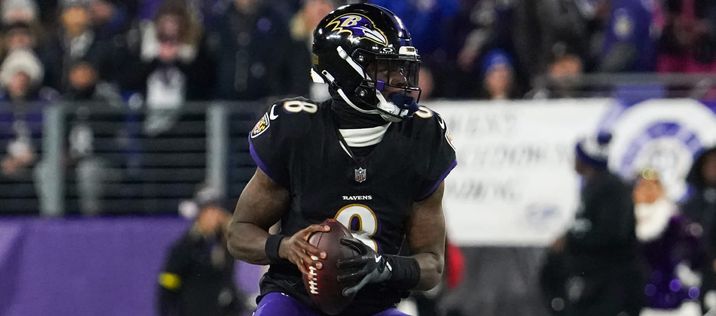
One of my favorite things about working for FantasyPros is our expert consensus rankings (ECR), where we compile and average out the opinion of not one, two or even several top minds in the industry — it is dozens upon dozens. A quick glance at our Superflex rankings shows that the top six selections off the board in this format are quarterbacks. Allen is joined by Lamar Jackson, Drake Maye, Joe Burrow, Jalen Hurts and Jayden Daniels, before other positions are even considered.
If you keep scrolling down through the rankings, you’ll notice that quarterbacks dominate early on. Through our first four “tiers” of players (27 total), there are 14 quarterbacks. You’re welcome to start doing the math, but I’ll give you the cliff notes version: Through the first two rounds of your draft, you want to come away with at least one quarterback.
Throw out the notion that you can wait. Disregard the fact that Bo Nix normally goes off the board in the early 12th round in standard leagues. In Superflex? He’s a top-25 pick.
I’d highly recommend that managers also spend some time familiarizing themselves with the fourth and fifth tiers of quarterbacks. There are plenty of players within those tiers who are either unproven but have incredible physical traits (such as Malik Willis or Cam Ward) or are coming off stretches of relevance but haven’t been consistent enough to trust (Daniel Jones and Jacoby Brissett). Perform due diligence and be comfortable with more than just the top 10 options.
Is a QB/QB Start Mandatory?
Not necessarily. If you’re someone who has played in this format before, or perhaps is seeking a challenge, you’re welcome to divert from the usual QB/QB start. After all, if everyone is going in one direction, you could stand to benefit from zigging where others zag.
If you start in the back half of the first round, you can bet your bottom dollar that you aren’t going to sniff a quarterback like Allen, Jackson or Burrow. If you don’t truly have an elite option available and aren’t crazy about selecting an upside quarterback like Jaxson Dart or Trevor Lawrence, pivoting to another position makes sense.
Based on ECR, you might be able to swing a start of Puka Nacua and Jaxon Smith-Njigba on the turn, before coming back to quarterback later on. Just keep in mind your league’s scoring settings if you have the inclination to pivot to a different quarterback/non-quarterback start. If an average-to-below-average quarterback like Stroud can outperform a top-10 running back/wide receiver, does it make sense to pivot? You need to bank on a truly epic, record-setting performance.
Best of luck with your Superflex leagues this year. Enjoy the chaos.

Subscribe: YouTube | Spotify | Apple Podcasts | iHeart | Castbox | Amazon Music | Podcast Addict | TuneIn